ORNAMATICS

TU Delft Academic assignment

June 2014

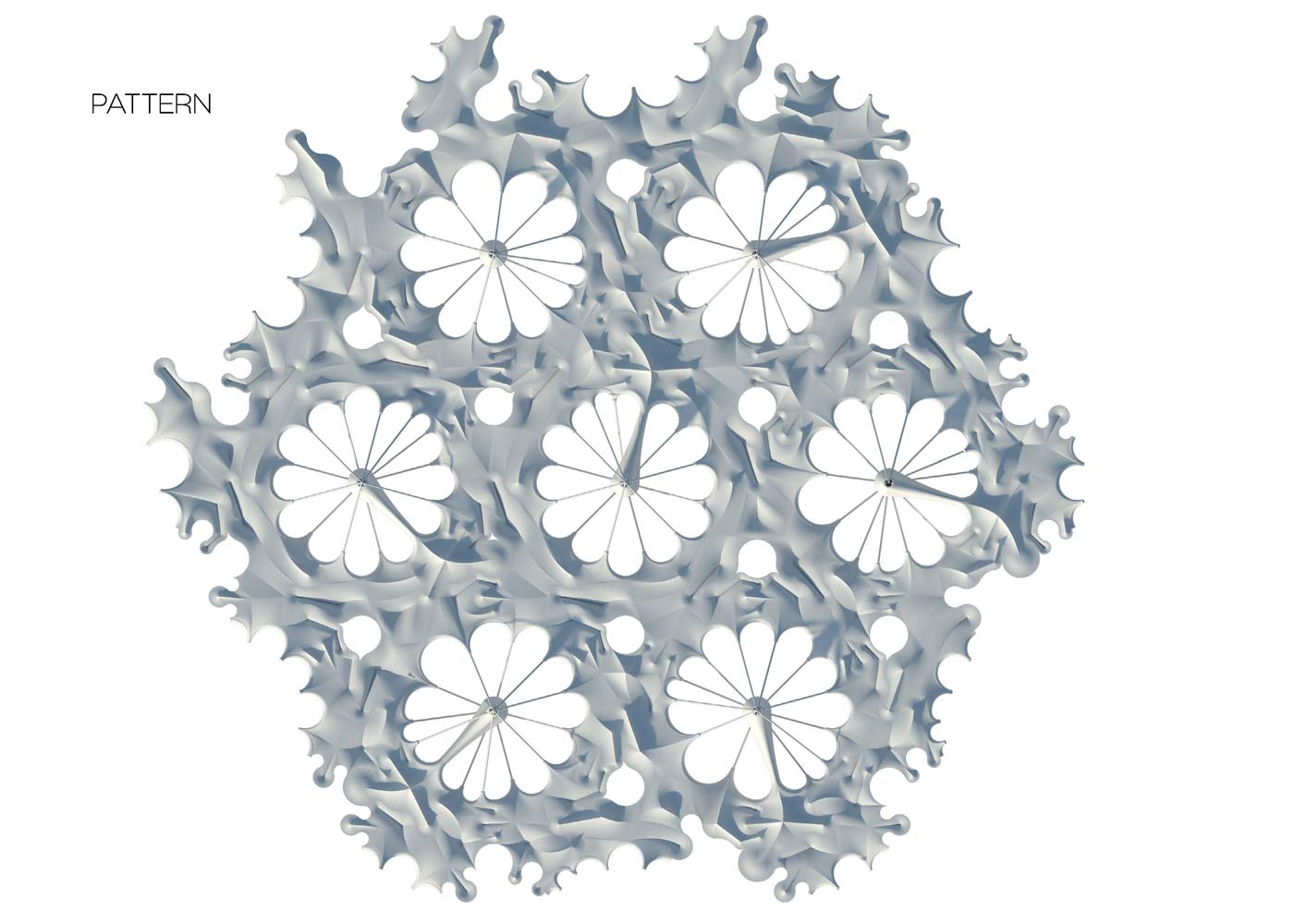
Ornamatics merges ornament with mathematics in the attempt to design an ever-growing pattern to be later applied on a building facade or canopy.

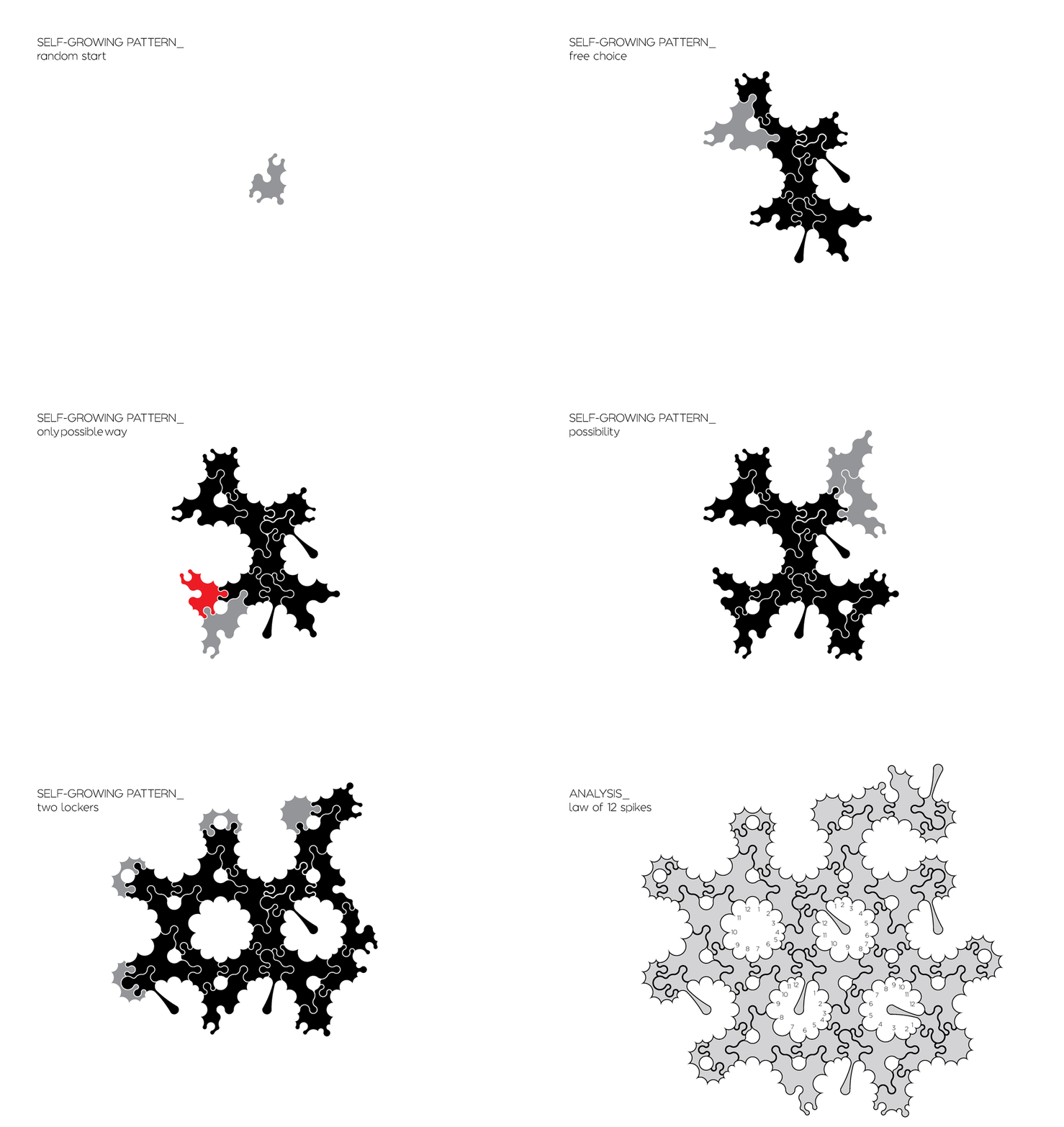
The pattern has been developed following the basic rule: “to achieve the highest degree of visual complexity with the minimum amount of available components”.

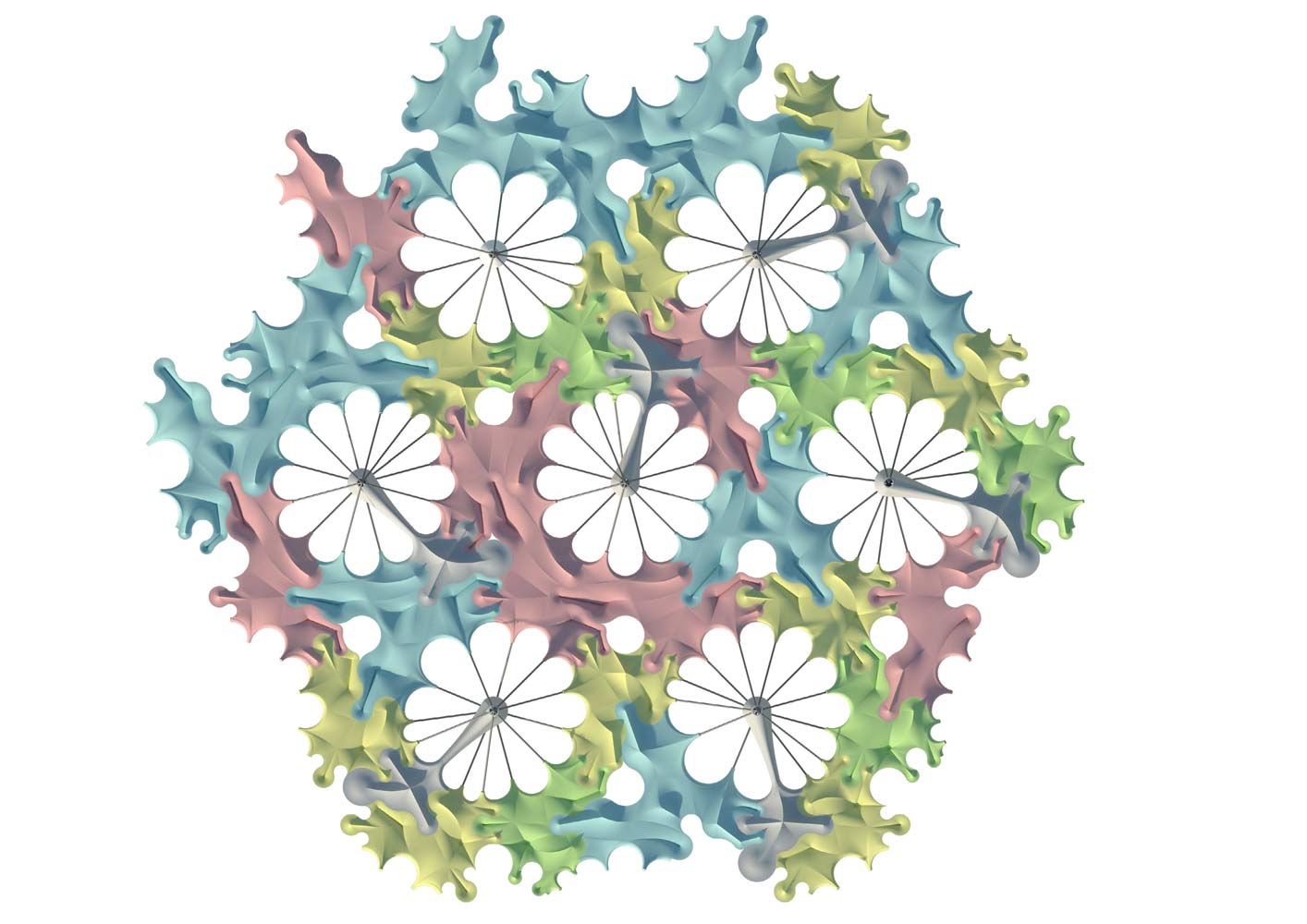
A total of only 7 different components, each with a specific function within the pattern, are needed.

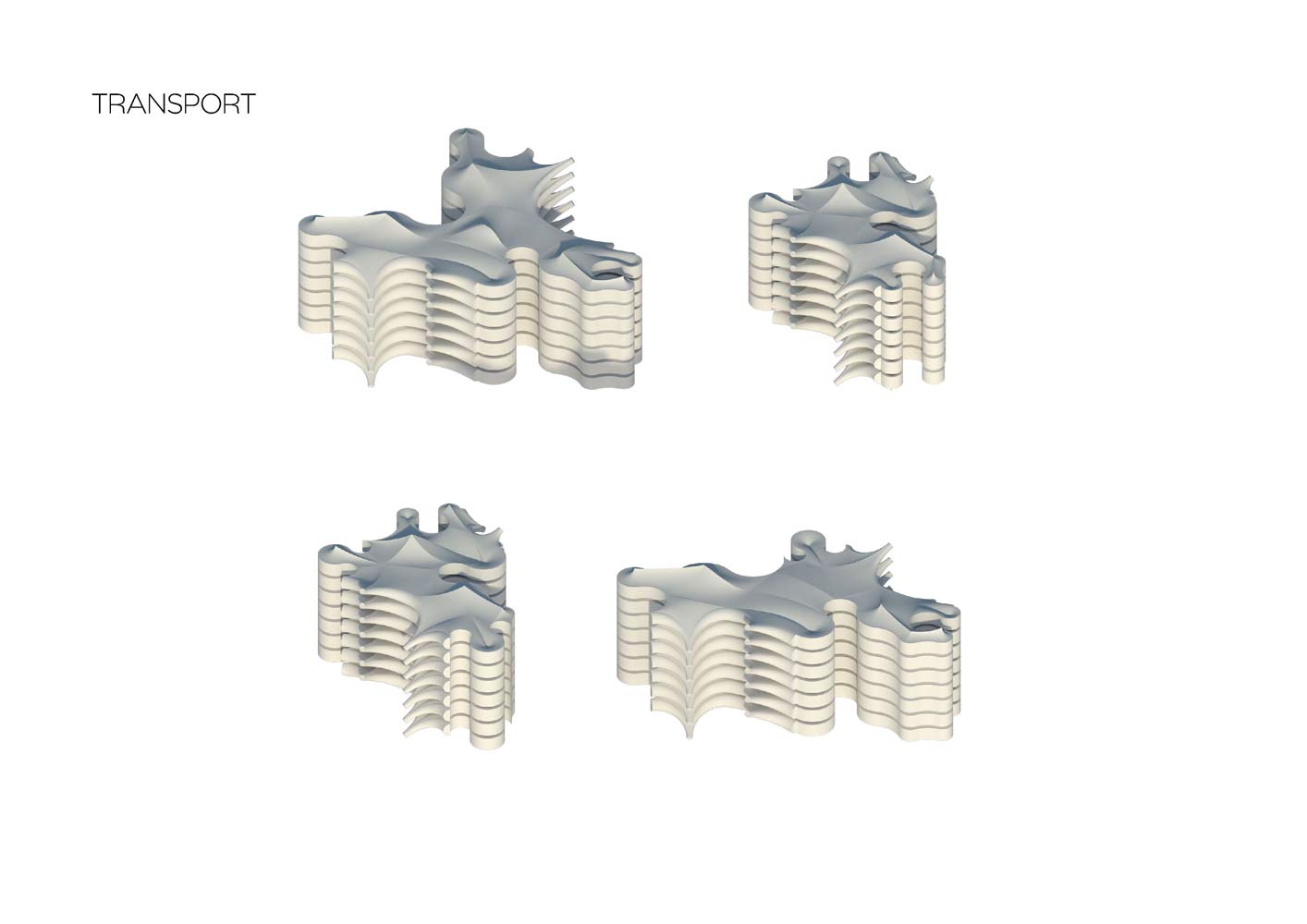
Furthermore the tectonics of the components are designed so that they can be easily stacked for ease of transportation and storage.
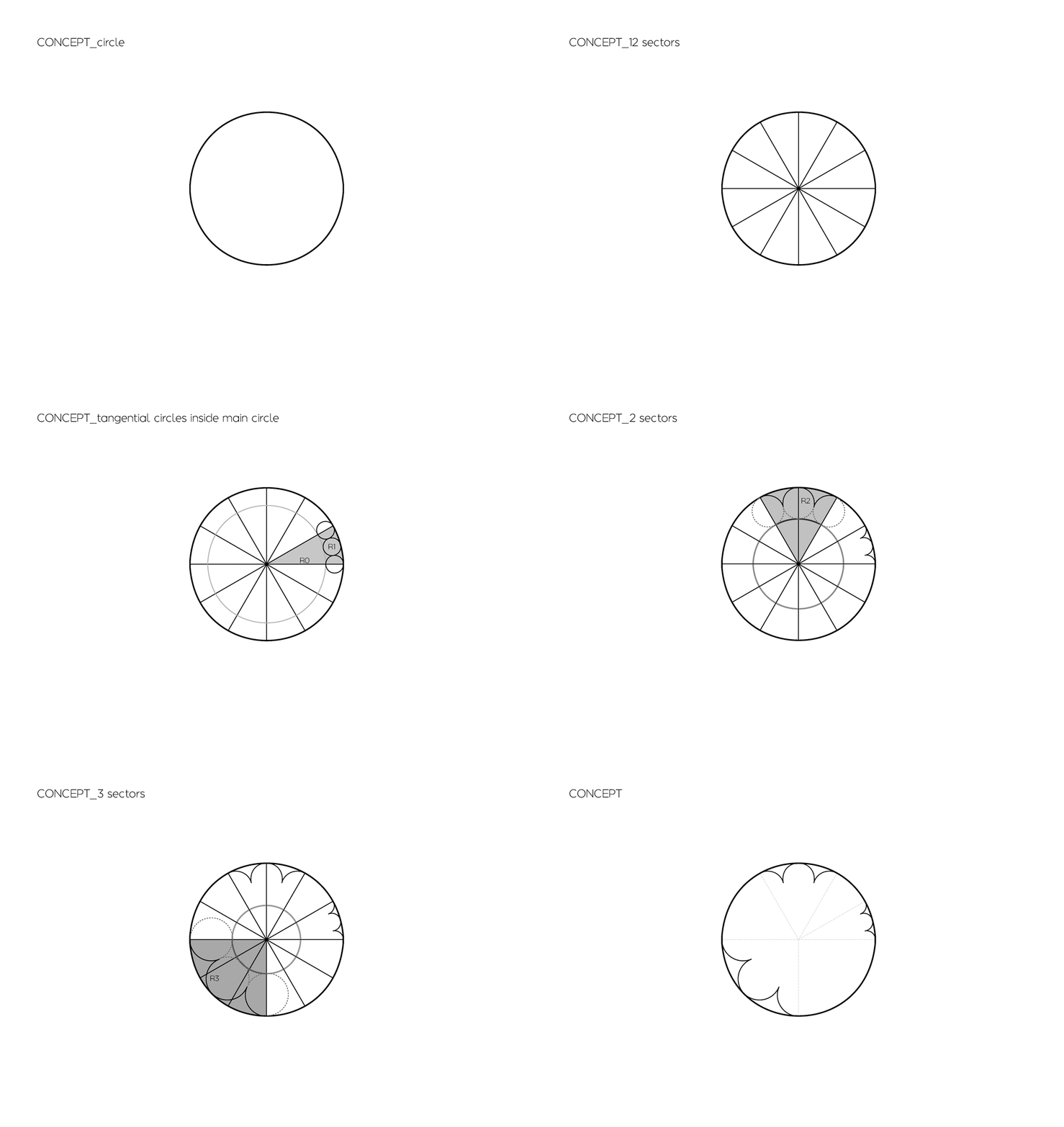
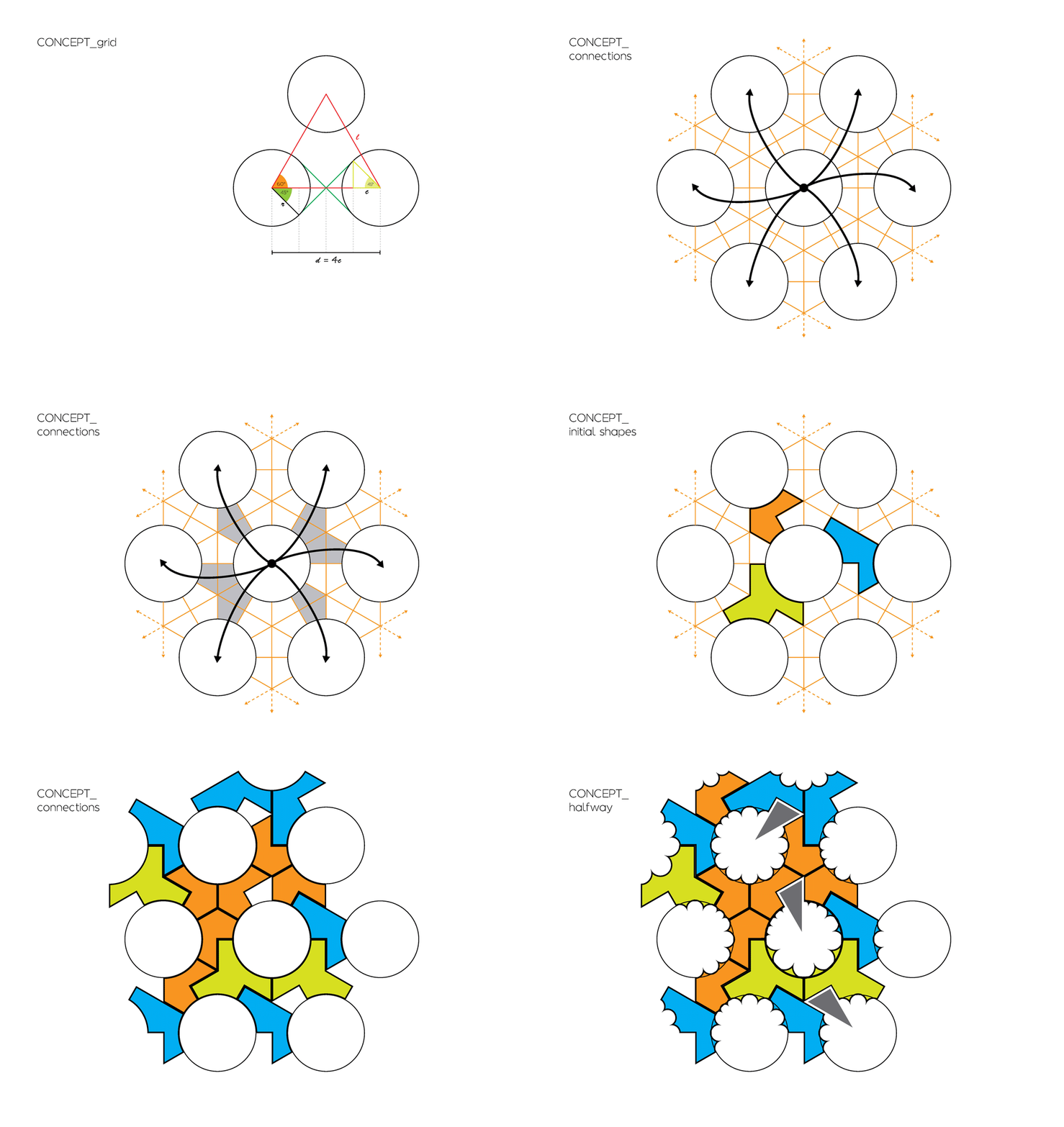
ORNAMATICS — Subdivision
01SubdivisionMathematical inner grid logic: Subdivision of a circle in 12 sectors.
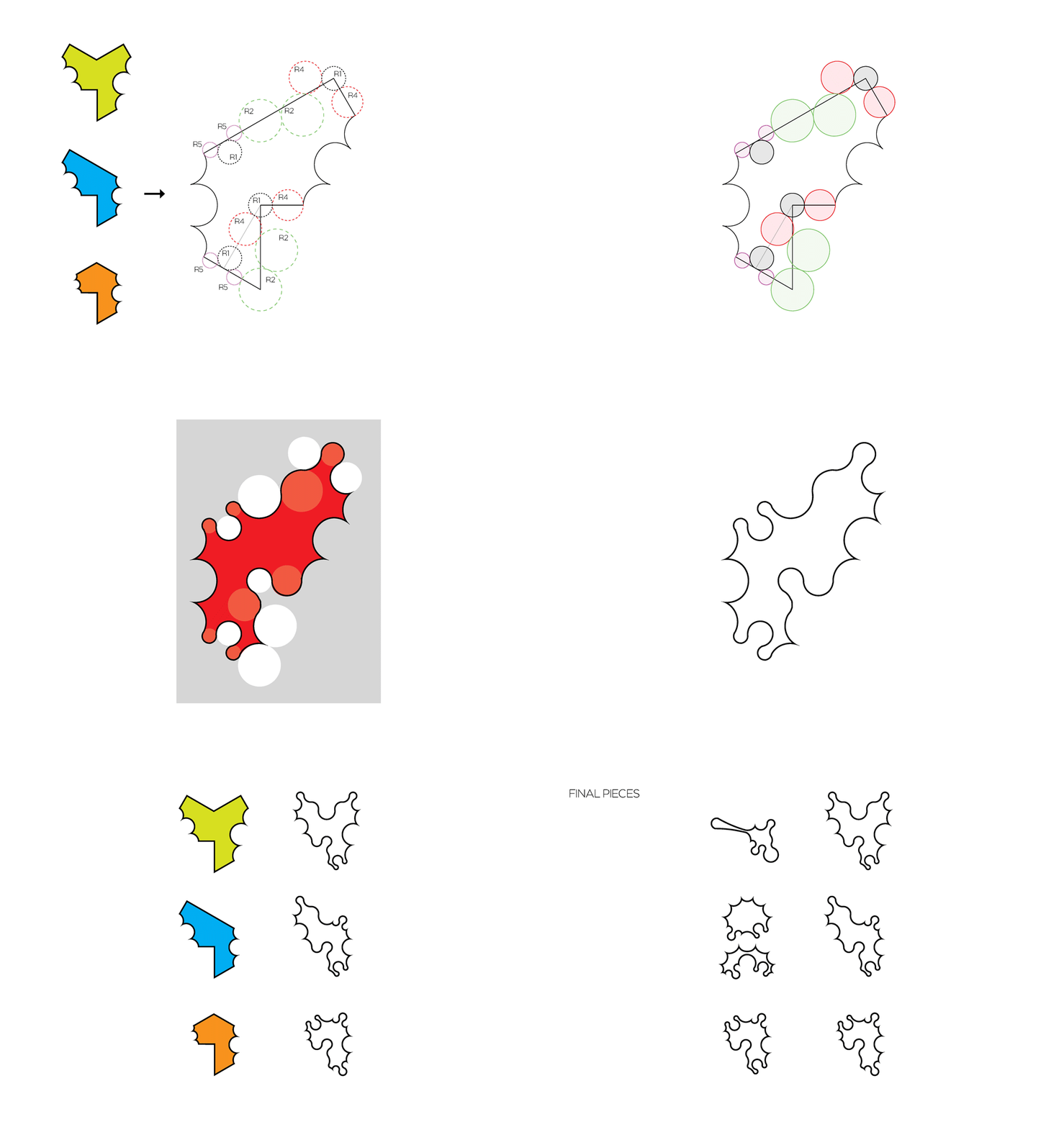
ORNAMATICS — Components formation
02Components formationMathematical outer grid properties and formation of tiles.
ORNAMATICS — Piece Definition
03Piece DefinitionMathematical component properties: underlying tangencies
ORNAMATICS — Evergrowing Pattern
04Evergrowing PatternLogic behind the evolution and interruption of the pattern
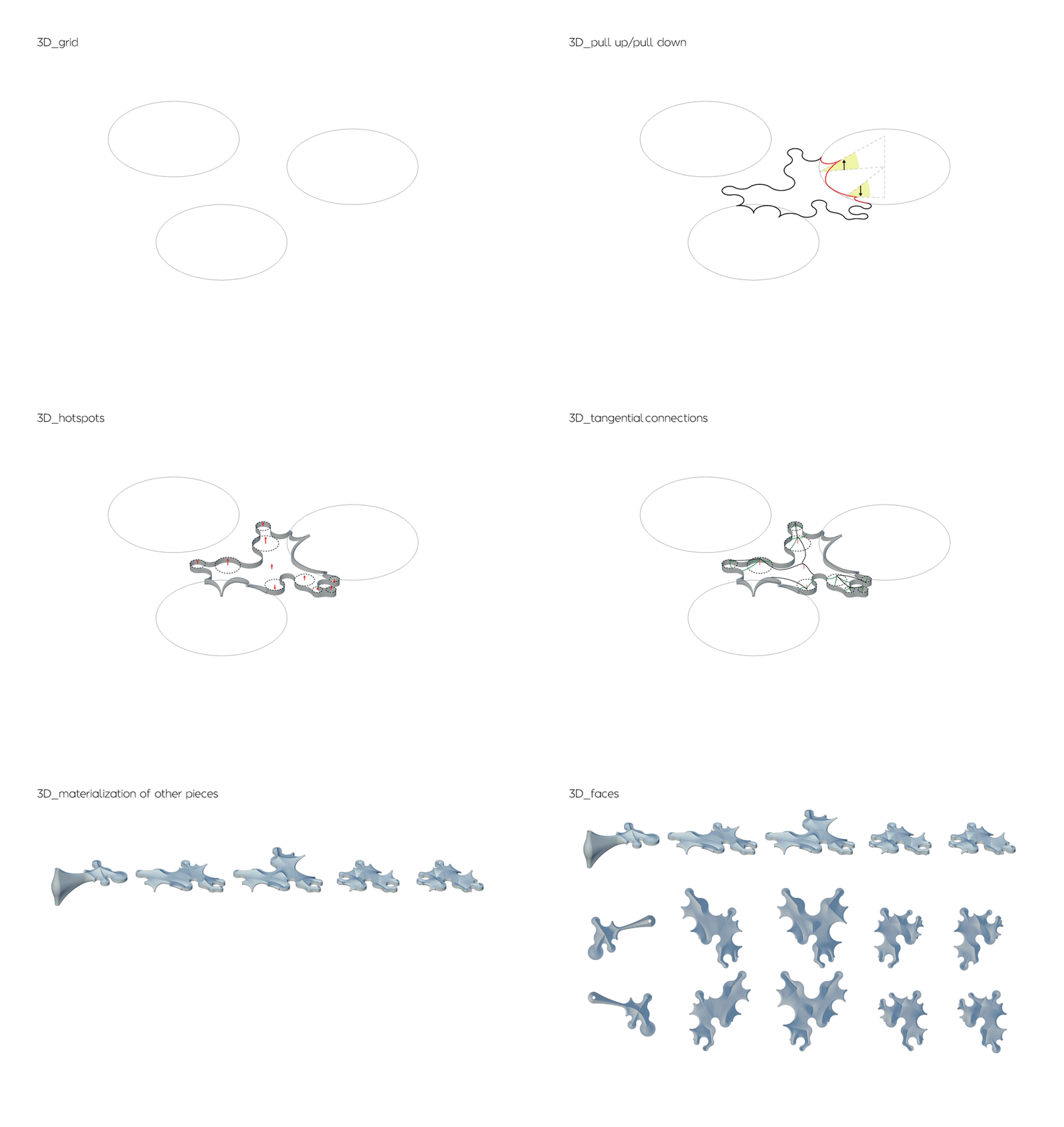
ORNAMATICS — Tectonics
05Tectonics3D tile materialization
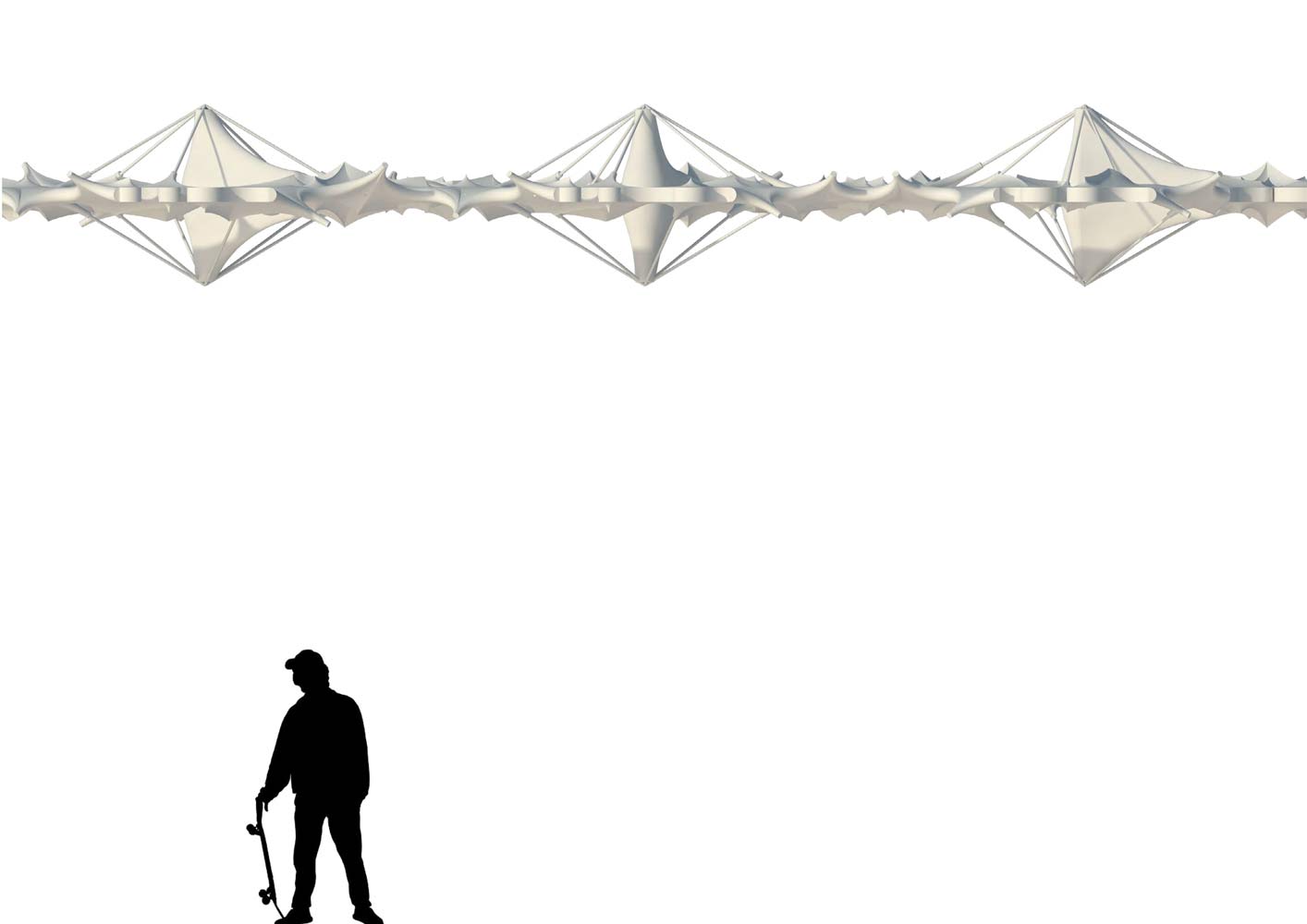
ORNAMATICS — Elevation
06ElevationSense of scale
ORNAMATICS — B&W Pattern
07B&W PatternSeamless flowing tectonics
ORNAMATICS — Pattern colored
08Pattern coloredVisual separation of tiles
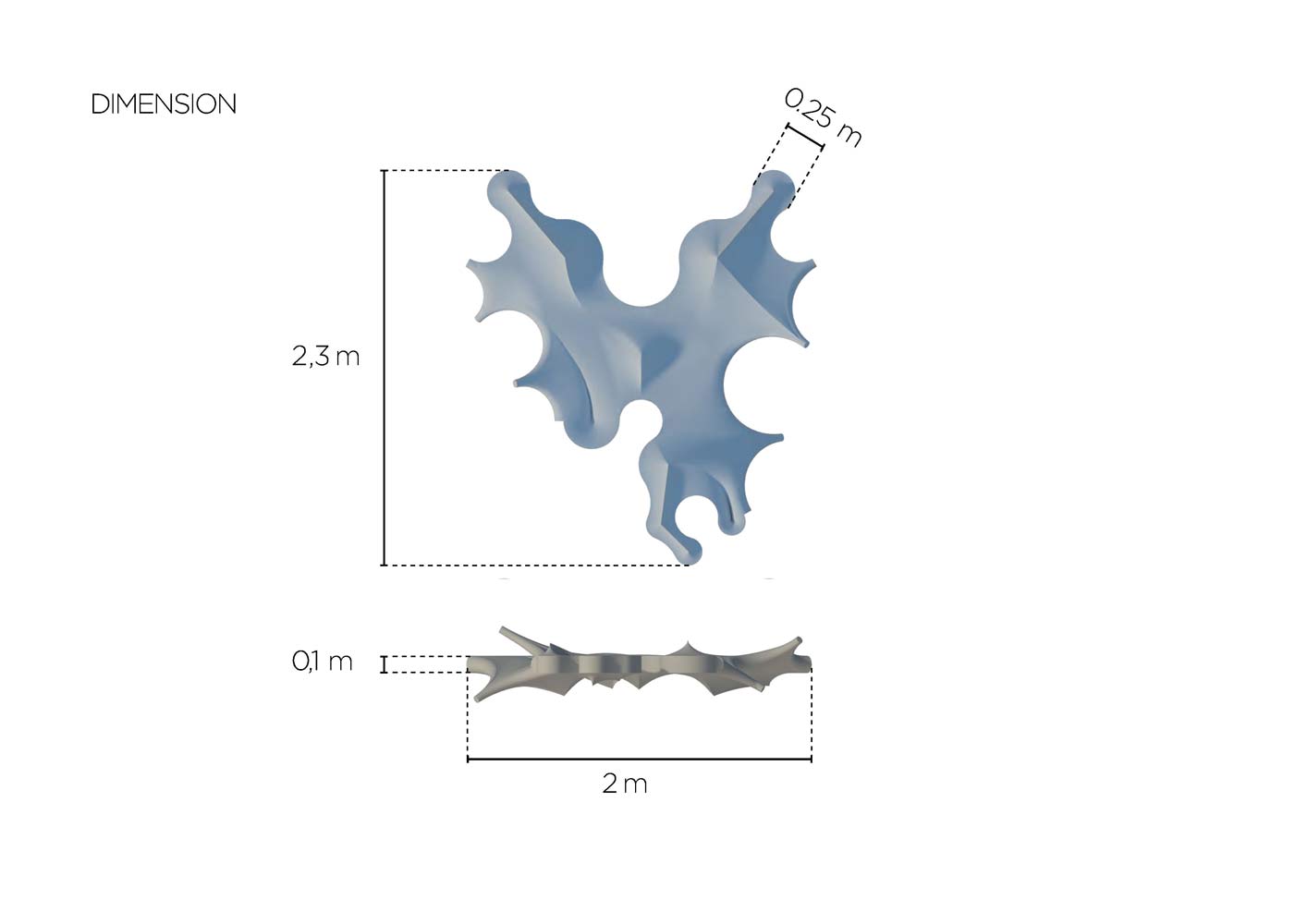
ORNAMATICS — Dimension
09DimensionMinimal dimension of biggest component: 2.3x2x0.5m
ORNAMATICS — Stackability
10StackabilityComponents are designed not only with aesthetic but also functional concerns: Stackability (for transportation and storage)
Matteo Biella
Copyright 2026 Matteo Biella